


Retail work is demanding, fast-paced, and often undervalued—making turnover and low morale a constant challenge. But success stories still exist. Take Ann-Marie Campbell, who started at The Home Depot as a part-time cashier in the 1980s and rose through the ranks to become Senior Executive Vice President.
The good news? Modern workforce management tools make it easier than ever to tackle these challenges with data, automation, and smarter scheduling. Here are the five biggest workplace challenges in retail and how top-performing retailers are overcoming them.
1. Unpredictable Schedules
The Challenge
Few things frustrate retail employees more than not knowing when they’ll work next. Week-to-week schedule changes make it hard to plan life outside of work. Whether that’s arranging childcare, taking classes, or simply spending time with friends.
Unstable schedules lead to frustration, burnout, and higher turnover. While last-minute changes aren’t always avoidable in retail, they don’t have to be the norm.
The Solution: Smarter, More Predictable Scheduling
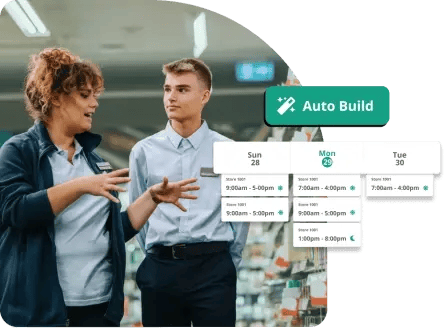
The best way to reduce unpredictable scheduling is to make fairness, communication, and data-driven planning part of how schedules are built. Posting schedules as early as possible, ideally two weeks in advance, gives employees the consistency they need to plan their lives. And when changes are unavoidable, clear, direct communication makes all the difference.
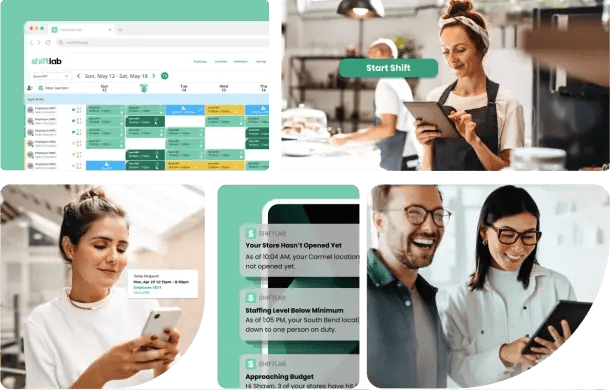
AI-powered scheduling tools like Shiftlab help retailers forecast labor demand using real sales and traffic data so schedules are more accurate from the start. With Shiftlab, retailers can:
- Predict staffing needs by the hour with AI-driven forecasting
- Build optimized schedules in minutes based on demand and employee availability
- Reduce last-minute changes with smarter planning
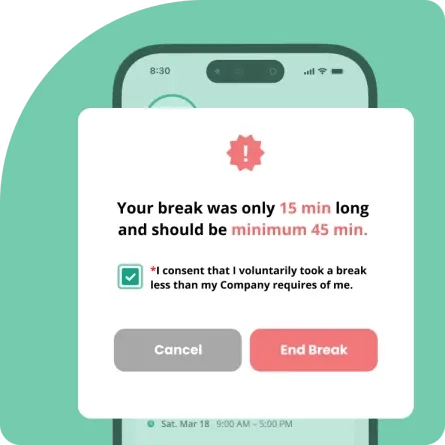
- Enforce compliance automatically with built-in break and overtime rules
- Empower employees to set availability, swap shifts, and pick up open shifts
The result? More predictable schedules, happier employees, better coverage, and smoother store operations.
2. Dealing with Difficult Customers
The Challenge
Retail employees frequently face verbal abuse and disrespectful behavior. Studies show:
- 87% of retail workers experience verbal abuse annually
- 12–17% face physical aggression
This creates stress, burnout, absenteeism, and higher turnover, key contributors to retail workforce instability.
The Solution:
Retailers that prioritize employee safety see stronger engagement and retention.
Best practices:
- Zero-tolerance customer conduct policies
- Manager intervention training
- Clear in-store signage
- Post-incident employee support
Protecting frontline staff isn’t just the right thing to do; it’s a smart workforce strategy.
3. Limited Growth and Recognition
The Challenge:
When retail employees don’t see clear growth opportunities or feel recognized for great work, engagement drops fast.
Unfortunately, many associates feel there’s no real career path, and that feedback only happens during annual reviews or not at all. Without upward mobility or regular recognition, motivation fades, and high turnover becomes the norm.
The Solution: Make Growth Visible and Attainable
Improving retention doesn’t require creating entirely new roles. It’s about making small, meaningful changes that help employees see progress and feel valued.
Retailers can strengthen engagement and retention by:
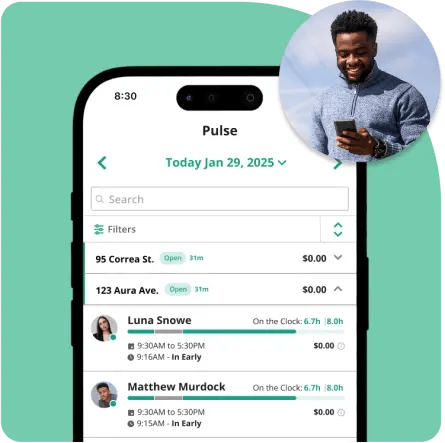
- Tracking performance with real data to make great work visible
- Recognizing top performers regularly, not just once a year
- Offering micro-promotions like shift lead, trainer, or floor specialist
- Providing ongoing training and professional development opportunities
- Giving managers time to coach and mentor their teams
Automation tools like Shiftlab free managers from time-consuming administrative work, so they can focus on developing people rather than managing paperwork.
When retail employees see progress, feel appreciated, and know their growth is being noticed, their retail job begins to feel like a career worth investing in. (Bye-bye, high turnover rates!)
4. Chronic Understaffing
The Challenge
Understaffing hurts both employee well-being and store revenue.
One study shows:
- 51% of retail workers say their store is understaffed
- 73% have seen customers leave due to long wait times
The issue isn’t just headcount; it’s having the right people at the right time.
The Solution:
Retailers using AI-driven workforce management can:
- Match staffing to real demand
- Adjust coverage by hour
- Cross-train for flexibility
- Fill gaps quickly with open shifts
Shiftlab analyzes historical sales, traffic, and labor data to recommend optimal staffing levels—helping retailers protect service quality and profits.

5. Employee Burnout
The Challenge
Retail employee burnout leads to higher turnover, more errors, and lower customer satisfaction.
Constant multitasking, high expectations, and unpredictable shifts wear people down. And when stores are short-staffed, employees often skip required breaks, work through their mealtimes, and go home feeling drained.
This is a significant issue in retail workplaces, and the physical and emotional fatigue translates directly to higher turnover and lower service quality.
The Solution:
Burnout prevention requires better systems:
- Protected breaks with compliance automation
- Fair workload distribution
- Accurate demand forecasting
- Regular manager check-ins
- Employee recognition programs
Smarter scheduling supports healthier, more productive teams.
Key Takeaways:
Solving Retail Workplace Challenges
- Predictable schedules improve retention
- Customer abuse is a business risk
- Growth paths keep top performers engaged
- Understaffing hurts revenue
- Burnout is preventable
Retail workplace challenges won’t disappear, but more innovative retailers solve them with data, automation, and people-first workforce strategies.
Why Shiftlab?
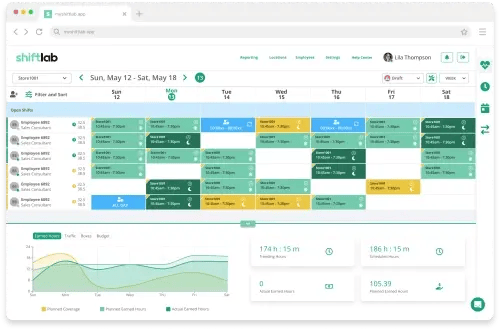
Shiftlab’s AI-powered workforce management platform helps retailers:
- Forecast labor demand
- Build performance-based schedules
- Automate compliance
- Reduce manager workload
- Improve profit per hour
See how smarter scheduling drives stronger store performance.
Book a Demo